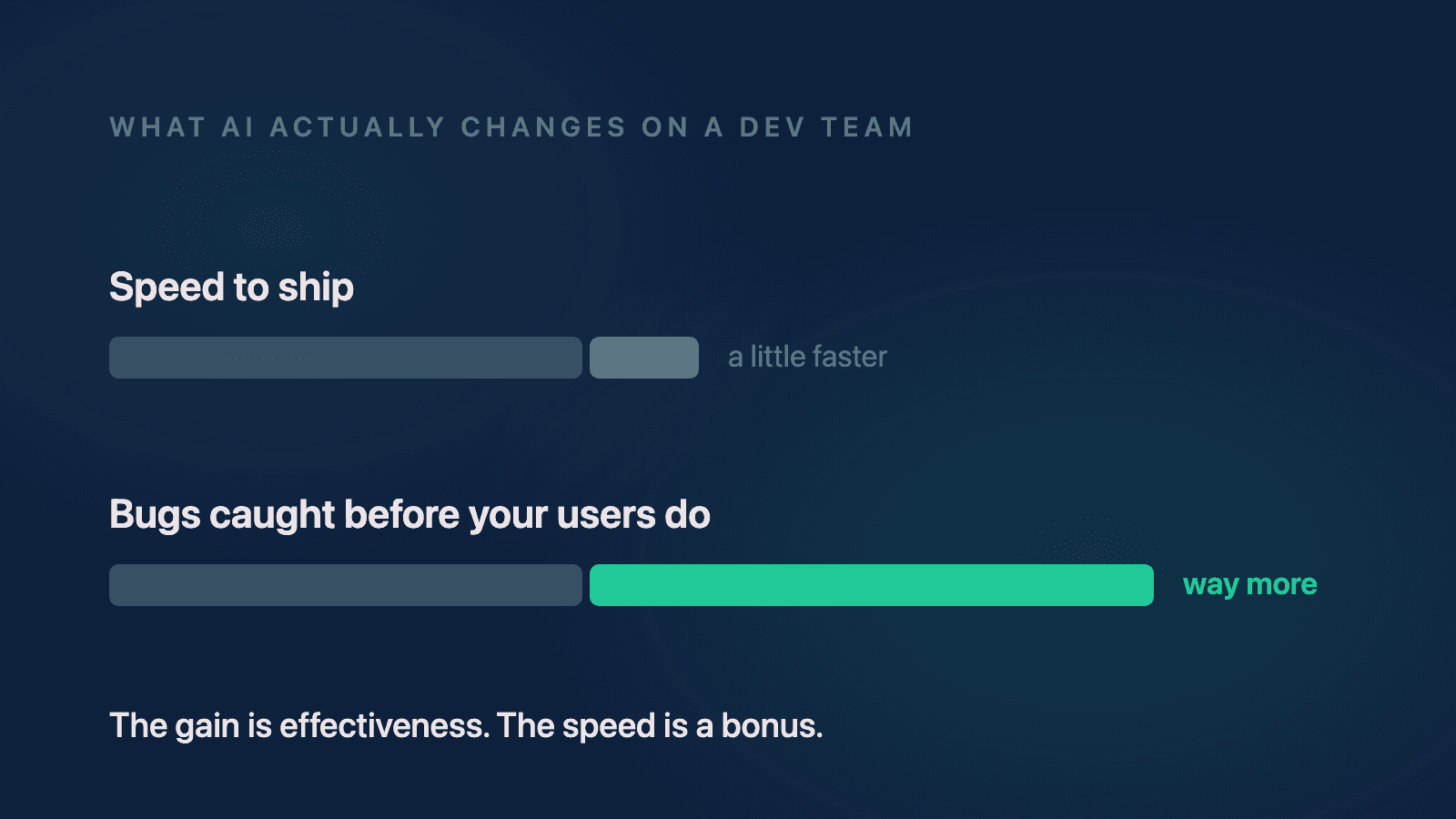
Everyone expects AI to make their dev team faster. On a real project it made the team better instead: more bugs caught, higher stability, roughly the same amount of human judgment. Here's what to actually expect.
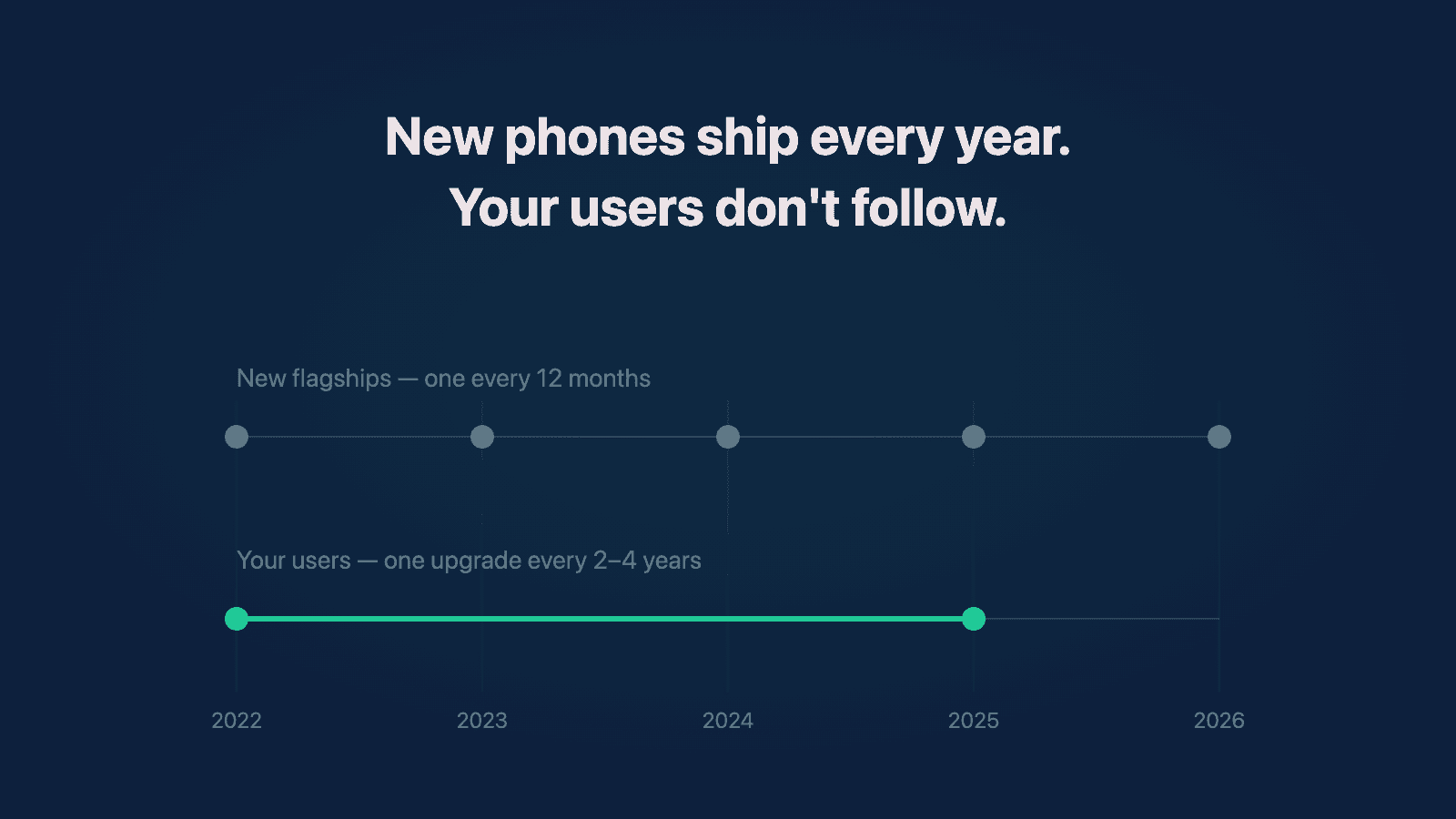
Google just announced the Pixel 11, and I buy a new phone almost every year. You probably shouldn't. Most people keep their phones for two to four years — what actually matters for your app is which operating systems it supports.
Most AI-on-a-team conversations are about developers. One of the highest-leverage agents I built was for the product side: a ticket-quality agent that shows PMs and POs where work bounces back and why.
AI is good at writing a plan and bad at noticing what its own plan forgot. A separate review agent with fresh context catches what the first pass missed. Here is why that works and how I use it.
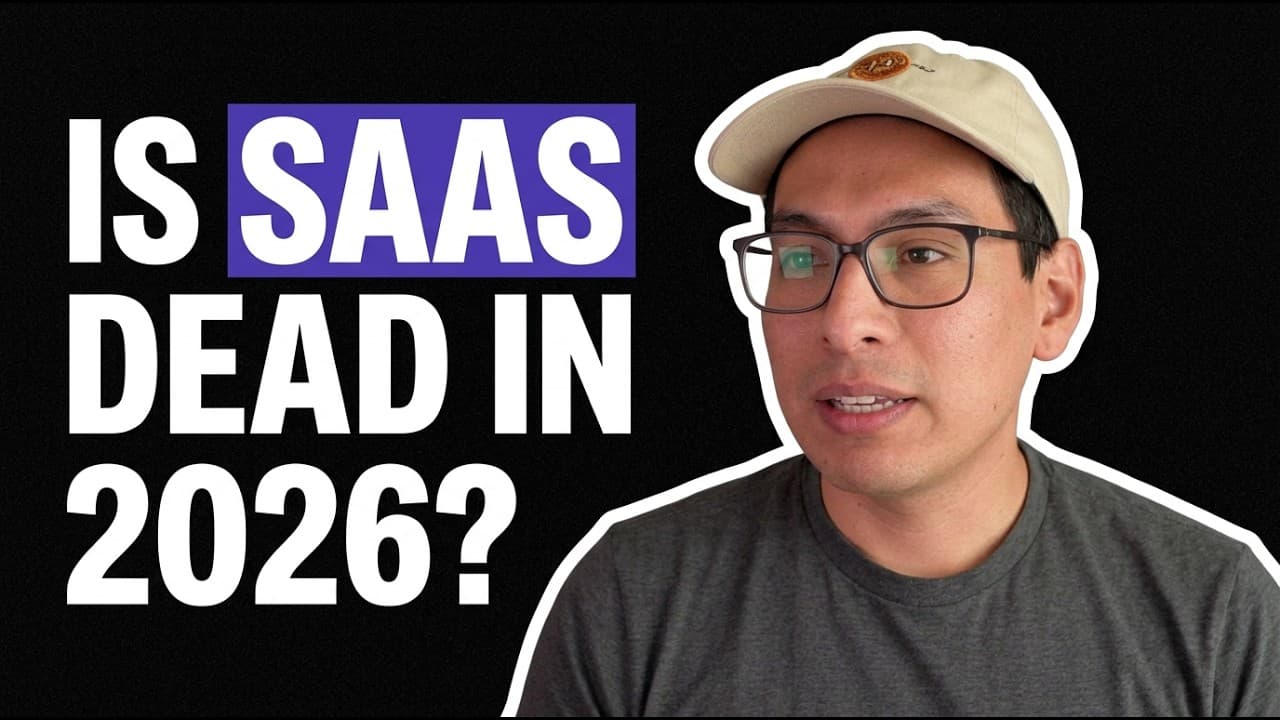
Short answer: no. The line between subscribe to it and build it yourself has moved, but most people are about to misjudge where that line sits for their own business. A practical framework for picking which side to land on.
An honest, technically grounded read on what HIPAA actually requires for a mobile app — and what it doesn't. Privacy Rule, Security Rule, BAAs, third-party SDKs, encryption, audit logs, and the mobile-specific gotchas most teams miss. Based on five years of healthcare engagements across ABA therapy, e-prescribing, and EHR.
Sometimes the best decision a founder can make is to stop. Here's how I knew it was time to walk away from TrueStar — and the signals every founder should watch for.
A detailed roadmap for building a successful SaaS business in 2026, covering everything from market research to scaling strategies and modern tech stack choices.
A comprehensive guide for business leaders on choosing between iOS and Android platforms, understanding user demographics, and making strategic platform decisions for mobile apps.